Key Takeaways
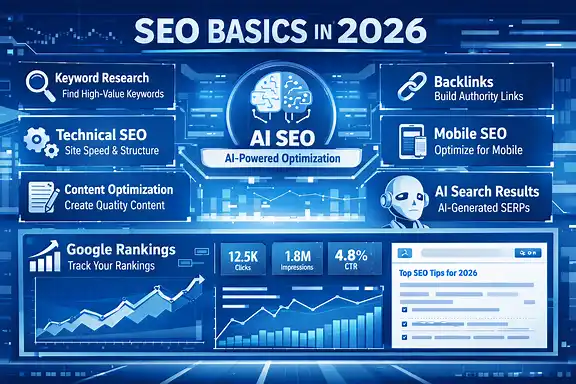
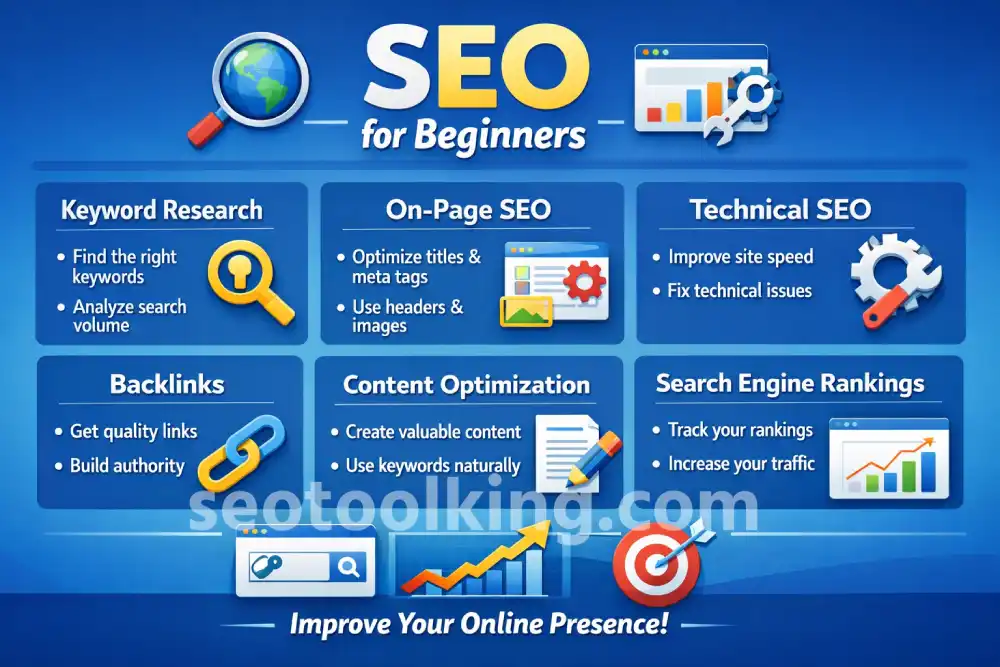
- Learn SEO step-by-step with this Complete SEO Guide for Beginners.
- Discover keyword research, on-page SEO, technical SEO, backlinks, and ranking strategies.
- Search Engine Optimization (SEO) is one of the most effective ways to grow a website organically.
- Whether you run a blog, business website, or online store, SEO helps your content appear in search engine results and attract the right audience.
- This beginner-friendly guide explains the basics of SEO, how search engines work, and the most important strategies to improve rankings and traffic.
- SEO (Search Engine Optimization) is the process of improving a website to increase its visibility in search engines like Google, Bing, and Yahoo.
Learn SEO step-by-step with this Complete SEO Guide for Beginners. Discover keyword research, on-page SEO, technical SEO, backlinks, and ranking strategies.
Search Engine Optimization (SEO) is one of the most effective ways to grow a website organically. Whether you run a blog, business website, or online store, SEO helps your content appear in search engine results and attract the right audience.
This beginner-friendly guide explains the basics of SEO, how search engines work, and the most important strategies to improve rankings and traffic.
What Is SEO?
SEO (Search Engine Optimization) is the process of improving a website to increase its visibility in search engines like Google, Bing, and Yahoo.
The goal of SEO is to:
- Increase organic traffic
- Improve website rankings
- Reach the right audience
- Generate leads or sales
When users search for information online, search engines show the most relevant pages. SEO helps your website become one of those pages.
How Search Engines Work
Search engines work in three main steps:
1. Crawling
Search engines use bots (called crawlers or spiders) to discover pages on the internet.
2. Indexing
After crawling, search engines store and organize the content in their database (index).
3. Ranking
Search engines analyze pages and rank them based on relevance, quality, and user experience.
Types of SEO
SEO is divided into several categories.
1. On-Page SEO
On-page SEO focuses on optimizing content and HTML elements.
Includes:
- Keyword optimization
- Title tags
- Meta descriptions
- Heading structure
- Internal linking
- Image optimization
2. Off-Page SEO
Off-page SEO focuses on activities outside your website.
Includes:
- Backlinks
- Guest posting
- Brand mentions
- Social sharing
3. Technical SEO
Technical SEO improves website performance and crawlability.
Includes:
- Website speed
- Mobile-friendliness
- HTTPS security
- XML sitemaps
- Structured data
Why SEO Is Important
SEO helps websites grow naturally without relying only on paid advertising.
Benefits of SEO
- Increases website traffic
- Improves brand visibility
- Builds trust and authority
- Generates long-term results
- Improves user experience
Keyword Research Basics
Keyword research is the foundation of SEO.
Keywords are the terms users type into search engines.
Example Keywords
- “best SEO tools”
- “how to start a blog”
- “SEO tips for beginners”
How to Find Keywords
You can use tools like:
- Google Keyword Planner
- Ahrefs
- SEMrush
- Ubersuggest
Look for:
- Search volume
- Keyword difficulty
- User intent
Understanding Search Intent
Search intent is the reason behind a search query.
There are four main types:
| Intent Type | Example |
|---|---|
| Informational | “what is SEO” |
| Navigational | “YouTube login” |
| Transactional | “buy SEO software” |
| Commercial | “best SEO tools” |
Matching content with search intent improves rankings.
On-Page SEO Guide
1. Optimize Title Tags
Your title should:
- Include the main keyword
- Be clear and attractive
- Stay under 60 characters
Example:
“How to Learn SEO for Beginners”
2. Write Meta Descriptions
Meta descriptions summarize the page.
Best practices:
- 150–160 characters
- Include target keyword
- Encourage clicks
3. Use Headings Properly
Use:
- H1 for the main title
- H2 for sections
- H3 for subsections
This improves readability and SEO structure.
4. Optimize URLs
Good URL example:yourwebsite.com/seo-guide
Avoid:yourwebsite.com/post?id=123
5. Add Internal Links
Internal links connect pages on your website.
Benefits:
- Better navigation
- Improved crawling
- Increased engagement
Content SEO Tips
Content is one of the biggest ranking factors.
Create Helpful Content
Focus on:
- User needs
- Clear explanations
- Original information
- Easy readability
Use Keywords Naturally
Avoid keyword stuffing.
Instead:
- Use synonyms
- Include related terms
- Write naturally
Improve Readability
Use:
- Short paragraphs
- Bullet points
- Clear headings
- Simple language
Technical SEO Basics
1. Improve Website Speed
A fast website improves:
- User experience
- Rankings
- Conversion rates
2. Mobile Optimization
Your website should work well on all devices.
Google uses mobile-first indexing, meaning mobile performance matters greatly.
3. Secure Website with HTTPS
HTTPS protects user data and builds trust.
4. Create XML Sitemap
An XML sitemap helps search engines discover pages more efficiently.
Link Building Basics
Backlinks are links from other websites to your site.
High-quality backlinks help improve authority and rankings.
Ways to Build Backlinks
- Guest posting
- Creating useful content
- Outreach
- Directory submissions
Common SEO Mistakes to Avoid
- Keyword stuffing
- Duplicate content
- Ignoring mobile optimization
- Slow website speed
- Poor user experience
- Buying spam backlinks
SEO Tools for Beginners
Useful SEO tools include:
| Tool | Purpose |
|---|---|
| Google Search Console | Performance monitoring |
| Google Analytics | Traffic analysis |
| Ahrefs | Backlink & keyword research |
| SEMrush | SEO analysis |
| Ubersuggest | Keyword research |
Beginner SEO Strategy
Step-by-Step SEO Plan
Step 1:
Research keywords
Step 2:
Create quality content
Step 3:
Optimize on-page SEO
Step 4:
Improve technical SEO
Step 5:
Build backlinks
Step 6:
Track performance
Example of SEO Optimization
Keyword:
“best free SEO tools”
Optimized Elements:
- SEO-friendly title
- Keyword in headings
- Internal links
- Fast-loading page
- Helpful content
This improves the chance of ranking on Google.
SEO guide, beginner SEO, search engine optimization, SEO tutorial, keyword research, on-page SEO, technical SEO, backlinks, SEO tips, learn SEO
Frequently Asked Questions (FAQs)
What is SEO in simple words?
SEO is the process of improving a website so it ranks higher in search engines and gets more visitors.
Is SEO free?
Organic SEO traffic is free, but some SEO tools and services may cost money.
How long does SEO take?
SEO usually takes several weeks to months depending on competition and website quality.
Can beginners learn SEO?
Yes, SEO is beginner-friendly and can be learned step-by-step.
Conclusion
SEO is a long-term strategy that helps websites grow organically through search engines. By learning the basics of keyword research, content optimization, technical SEO, and backlinks, beginners can start building a strong online presence.
Focus on creating valuable content, improving user experience, and following SEO best practices consistently.
Over time, these efforts can lead to better rankings, more traffic, and long-term website growth.
Related Articles